Picture this: You’ve just clicked “Track Package” after a late-night impulse buy, heart racing for that “Out for Delivery” glow-up.
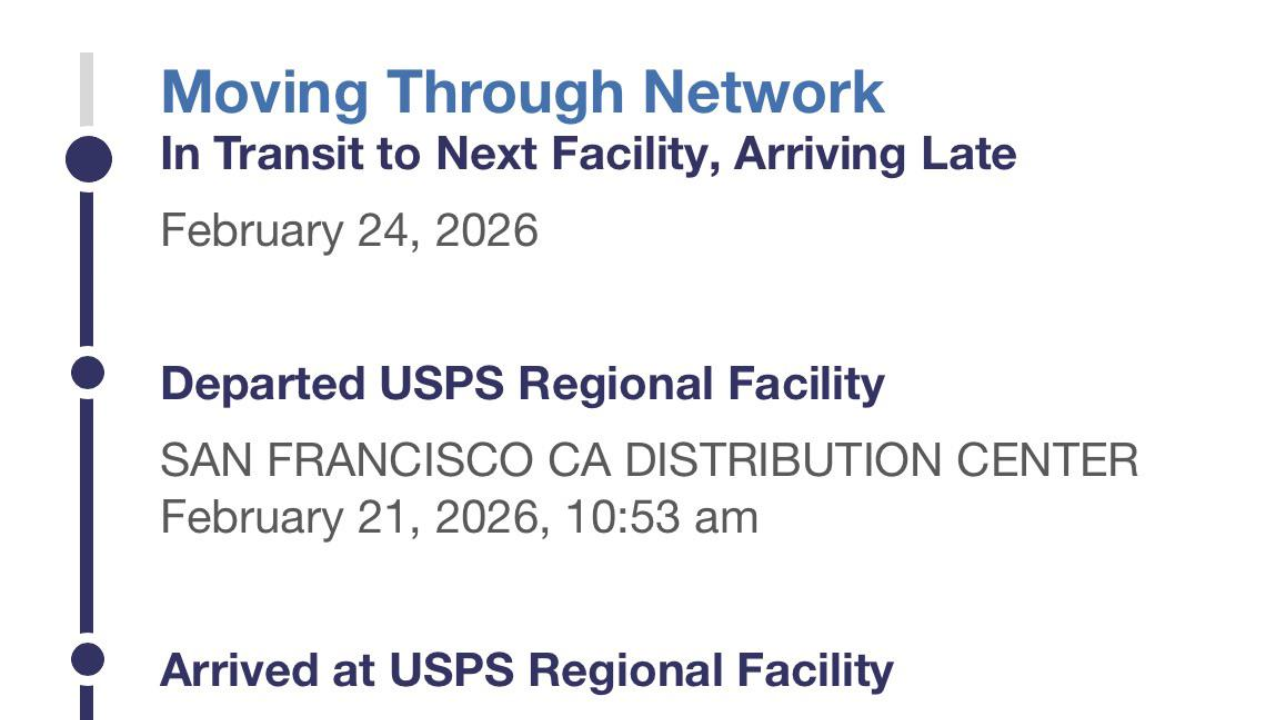
Instead? The USPS oracle delivers its signature mic-drop: “Moving Through Network”. Cue the collective groan across Reddit, TikTok, and every family group chat.
But hold the pitchforks: this isn’t your package ghosting you. It’s the postal service’s quietly brilliant way of saying, “We’re moving it through our sprawling logistics web, one scan at a time.” And with fresh 2026 network tweaks already rippling through the system, understanding this status just became your new superpower.
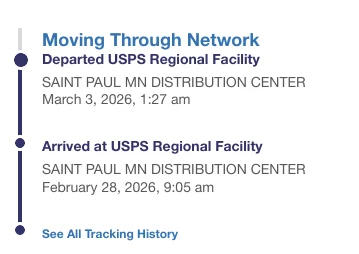
Let’s unpack it like a logistics puzzle worthy of a TED Talk. Officially, “Moving Through Network” (often paired with “In Transit”) means your parcel has cleared the initial drop-off or shipping partner stage and is now zipping through USPS’s vast constellation of regional facilities, sorting centers, and distribution hubs.
Think of it as the postal equivalent of data packets hopping routers on the internet: no flashy GPS ping every mile, but steady, invisible progress toward your doorstep.
USPS’s own tracking glossary confirms it falls under the broader “in transit” umbrella alongside “Arrived at USPS Facility” and “Departed USPS Facility,” signaling the item is processed, scanned, and en route, even if the next update lags 24-48 hours (or longer during peak volume).
Why the vagueness?
Pure systems elegance with a dash of real-world chaos.
USPS handles billions of items yearly through an intricate web of automated sorters, trucks, planes, and (yes) human hands.
Not every truck stop or conveyor belt has a scanner firing in real time. Add weather tantrums, holiday surges, or those infamous “postmark rule” adjustments rolled out earlier this year, where packages can sit in physical motion for days before the system logs a fresh scan, and you get radio silence that feels eternal but is actually efficient.
QUICK UPDATE: These essentials are selling fast and you might want to take advantage.
As one sharp 2026 analysis of USPS network changes noted, these optimizations are shrinking collection frequencies and consolidating routes for speed, but they create temporary visibility gaps. Your box isn’t lost; it’s just off the grid, playing postal chess while you doom-scroll.
The brainy upside? This status is proof positive your package has entered the “network” proper, past the pre-shipment limbo, and into active transit.
It’s the USPS equivalent of a LinkedIn “Open to Work” banner: subtle, but signaling momentum.
Delays beyond 5-7 business days without a new scan? That’s when you escalate (file a quick inquiry at usps.com or ping your local office). Otherwise? Breathe. Most resolve themselves, often faster than your anxiety predicts.
And here’s the forward-thinking twist that’s got logistics nerds buzzing: USPS isn’t standing still.
Insiders and tracking innovators are already teasing real-time GPS pilots, AI-powered delay predictors, and hyper-personalized alerts that could make “Moving Through Network” as quaint as a rotary phone. Imagine your app dropping a push notification: “Your package just cleared Chicago hub — ETA refined to Tuesday, 2:17 p.m.” Until then, this update is the system’s humble brag that it’s working smarter, not just harder.
So next time that status pops up, don’t panic-refresh. Raise a metaphorical toast to the invisible army of sorters keeping America connected. Your package is moving through the network, toward you, with the quiet competence of a system that’s been optimizing since Benjamin Franklin’s day. Now that’s a plot twist worth sharing.
(Pro tip: Enable USPS text/email alerts and cross-check with third-party trackers such as 17Track for extra peace of mind. Delivery day is closer than it feels.)