You twist the throttle on your electric scooter, expecting that familiar electronic nudge telling you “that’s far enough.”
Instead, the wind whips harder, the road blurs a little faster, and suddenly you’re flying at speeds the factory never intended.
Across cities and backroads everywhere, riders are quietly removing speed limiters from their scooters, turning polite commuters into something far more thrilling.
At ErideCorner.com, we’ve spent years tearing down, testing, and pushing the limits of everything from lightweight daily drivers to full-throttle beasts.
We’ve seen the limiter-removal trend surge in 2026, fueled by countless YouTube tutorials, Reddit threads, and garage experiments.
But is this the ultimate upgrade… or a high-stakes gamble? Our team dug into the most popular methods, the hidden costs, and the smarter paths forward. Here’s the unfiltered truth.
The hacks are as varied as the scooters themselves.
Many riders start simple: they power up the display, hold a specific button combo (often Mode plus Power), and slip into the hidden “P-settings” menu. There, a quick tweak to a single parameter, like P01 for max speed, can unlock extra miles per hour in seconds. No tools required beyond a steady finger and a bit of courage.
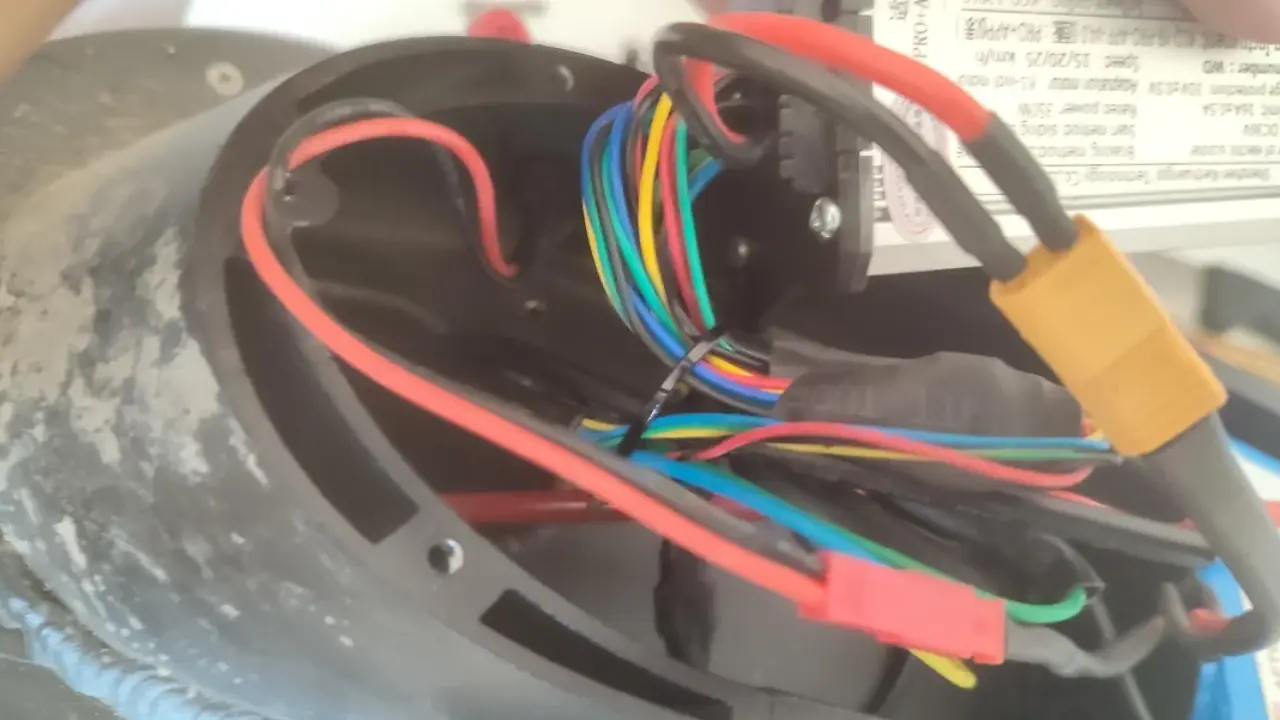
Others go hardware. Pop open the deck with a screwdriver, hunt for the telltale looped “limiter wire” (usually a single wire that doesn’t connect to anything else), and either unplug it or snip it cleanly. Tape the ends, button everything back up, and the scooter suddenly breathes freer. More manufacturers have opted to limit the speeds from the scooter’s software, though. Cutting speed-limiting wires doesn’t work for most new models.
For tech-savvy riders, custom firmware is the next level: apps and tools like ScooterHacking let you flash new software onto controllers from brands like Xiaomi or Ninebot, rewriting the brain entirely for higher top speeds, sharper acceleration, and custom power curves.
Other manufacturers are more creative. For instance, YUME provides a remote-like fob that can restrict and derestrict top speeds for riders in countries that restrict max speeds to say 25 km/h. If you are in Europe or anywhere else where you need fast scooters that are effortless to work on speed limitation, we recommend YUME. Here are exclusive discount codes for all their scooters.
Some riders take the modding game even further. Instead of simply removing the limiter, they keep the stock frame as a foundation and invest in serious upgrades, swapping in more powerful motors, high-amp controllers, upgraded batteries, and reinforced suspension. While this “Frankenstein” approach can deliver blistering performance far beyond a basic limiter removal, it quickly becomes an expensive affair, with total costs often rivaling (or exceeding) the price of a purpose-built high-performance scooter.
But here’s where the thrill meets reality, and why our experts never treat this as a casual tweak. Faster speeds dramatically lengthen stopping distances.
Tires, brakes, suspension, and motors work harder than they were designed to, leading to quicker wear, overheating, and surprise power cuts. One pothole at 45 mph can turn an exciting ride into a dangerous one. Battery range often drops sharply, and the battery management system can take a beating.
Legally, the ground shifts, too. In most places, stripping the limiter pushes your scooter into moped or motorcycle territory, meaning sidewalks are off-limits, and you may suddenly need a license, registration, and insurance. Get caught, and you’re looking at fines, impoundment, or worse. And every manufacturer makes it crystal clear: tamper with the limiter, and your warranty vanishes instantly.
At ErideCorner, we’ve tested modified scooters side-by-side with stock ones in our garage. The difference is real and addictive. But our lead mechanic summed it up best after one particularly fast test run: “It’s like giving a racehorse free rein on city streets. Incredible… until something goes wrong.”
So what’s the smart move in 2026? Not every rider needs to hack. Plenty of high-performance scooters are built from the ground up for high speed: dual-motor off-road models that hit higher velocities legally on private land or designated trails. Others offer official “sport” or “unlock” modes through their apps without voiding anything.
If you’re still tempted to unlock your current ride, our experts’ checklist is simple:
- Know your local laws cold: what’s legal in one city can cost you in the next.
- Gear up properly: full-face helmet, gloves, pads, and bright lights.
- Test in a safe, empty space first.
- Accept the trade-offs: faster isn’t always better if it shortens your scooter’s life, you void the warranty, and you overwork the electric components.