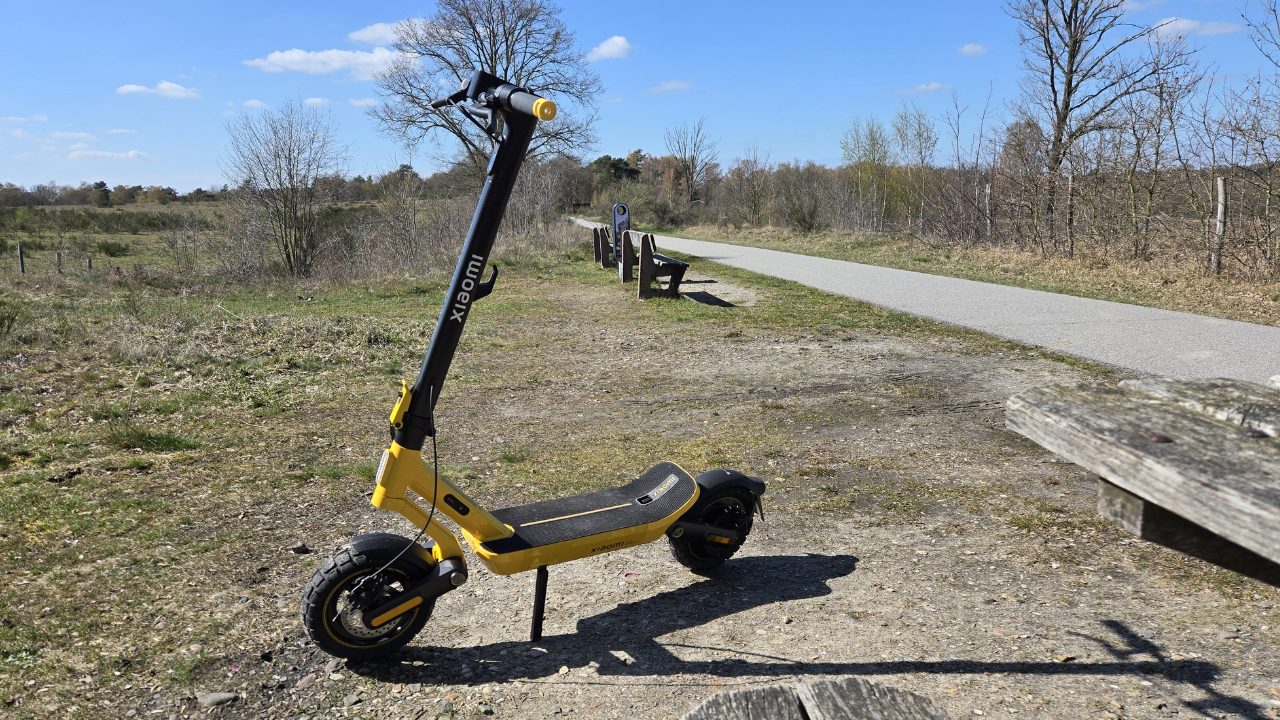
Xiaomi is one of the most reputable electric scooter brands.
Their 6 series is trending on social but surprisingly, riders are becoming more and more skeptical about this lineup.
While models such as their 4 and 5 series shook the electric scooter world, it’s unfortunately not the case with their latest innovation.
From our research, these are the reasons why riders are avoiding the Xiaomi Electric Scooter 6 Ultra, the highest trim in the 6 series:
Single Motor
The Xiaomi Electric Scooter 6 Ultra features a single 500W Motor.
A single motor setup often falls short for adult riders because it must handle the full power demands alone, leading to noticeable limitations in real-world performance.
Adult users typically weigh more and may carry bags, which places extra strain on the drivetrain. This results in weaker acceleration from a standstill and reduced ability to maintain consistent speeds when climbing inclines or riding into headwinds.
The motor also works harder overall, generating more heat during extended rides.
Over time, this can accelerate wear on components and potentially shorten the scooter’s service life compared to dual-motor designs that distribute the workload.
Riders seeking reliable daily commuting or versatile use on varied terrain frequently prefer dual motors for smoother power delivery and better responsiveness under load.
Speed Limitation
One of the main questions we receive is, “How to remove the speed limiter on the Xiaomi 6 Ultra electric scooter”.
Xiaomi restricts the scooter to a factory speed limit of 25 km/h even though the motor can deliver a peak output of 1200W.
This artificial cap leaves much of the scooter’s potential untapped right out of the box. For many adult riders, 25 km/h feels too slow for efficient commuting, especially in urban environments where keeping up with traffic flow matters.
Unlocking the higher speeds is difficult because Xiaomi implements tight firmware restrictions and hardware safeguards that resist common modification attempts.
Riders who manage to bypass the limit often face complicated procedures involving third-party tools or custom software, which carry risks of damaging the controller or battery management system.
More importantly, any attempt to remove the speed restriction immediately voids the manufacturer’s warranty, leaving owners without coverage for repairs.
At the premium price of the Xiaomi Electric Scooter 6 Ultra, buyers expect stronger performance without needing risky modifications.
This combination of low stock speed and high barrier to unlocking frustrates potential customers who want a capable, ready-to-ride machine, pushing them toward competitors that offer higher unrestricted speeds or easier customization options.
If you prefer a fast electric scooter that meets the legal threshold in your country, YUME has them in stock. They provide a key fob to remove or activate the speed limiter whenever necessary. Here are exclusive discount codes for all their scooters.
Weight
The Xiaomi Electric Scooter 6 Ultra tips the scales at 33.7 kg, making it one of the heavier options in its class.
This substantial mass creates practical challenges for everyday riders who need to carry the scooter up stairs, load it into a car, or maneuver it through tight spaces when not in use.
Folding helps with storage, but the overall heft still makes lifting and transporting it cumbersome for many adults, especially those who rely on public transport as part of their commute or live in buildings without elevators.
Riders seeking a convenient daily driver often avoid scooters this heavy because portability ranks high on their priority list.
At its price point, buyers expect a balance of performance features without sacrificing ease of handling, leading many to choose lighter alternatives that offer better overall usability for urban lifestyles.
Long Charging Time
The Xiaomi Electric Scooter 6 Ultra takes approximately 10.5 hours to reach a full charge using the included standard charger.
This extended downtime proves inconvenient for riders who need quick turnaround between uses, such as those with busy schedules or multiple daily trips.
While a separate fast charger can reduce this to around three hours and twenty minutes, it adds extra cost and is not included in the base package.
Many adult riders compare this to faster-charging competitors in the same price range and find the long standard charging period a major drawback.
The lengthy process limits spontaneity and makes the scooter less practical for users who cannot leave it plugged in overnight or during work hours, contributing to decisions to look elsewhere for a more convenient ownership experience.
Tire Reliability and Maintenance
Early owners frequently report rear tire punctures or pressure loss even on short initial rides or relatively clean roads.
The 12-inch all-terrain tires, while offering good grip and clearance, appear prone to flats, and replacing or repairing them proves more complicated than on many competing scooters.
Access to the rear wheel is tight due to the suspension and motor design, and solid tire conversion options remain limited or unproven for this specific model.
Riders who prioritize low-maintenance ownership often steer clear of this inconvenience at the scooter’s price level as it doesn’t come with self-healing tires.
Limited App Integration
The official Xiaomi app falls short for many tech-savvy riders by lacking real-time speed display during rides and detailed power output metrics.
While the onboard TFT screen provides basic information, enthusiasts accustomed to comprehensive apps from brands like Segway find the Xiaomi ecosystem restrictive and less informative.
Third-party alternatives show poor compatibility, leaving users without the detailed ride data and customization they expect from a premium scooter.
Questionable Hill Climbing Performance
Despite official claims of a 25% maximum incline, real-world tests show noticeably reduced speeds on steeper slopes compared to similarly priced rivals.
Riders carrying heavier loads or facing challenging terrain report the single motor struggling more than anticipated, undermining confidence in the scooter’s advertised capabilities for varied routes.
This gap between marketing specifications and actual performance discourages buyers seeking dependable power on hills.
Build Quality Trade-offs
Although the frame feels solid, extensive use of plastic panels on a heavy scooter raises durability concerns for long-term ownership.
Owners note that these cosmetic and protective elements could crack or degrade over time under daily use or minor impacts.
Combined with the overall weight, this leaves some riders questioning whether the construction justifies the premium asking price when compared to scooters with more robust all-metal designs or proven longevity.