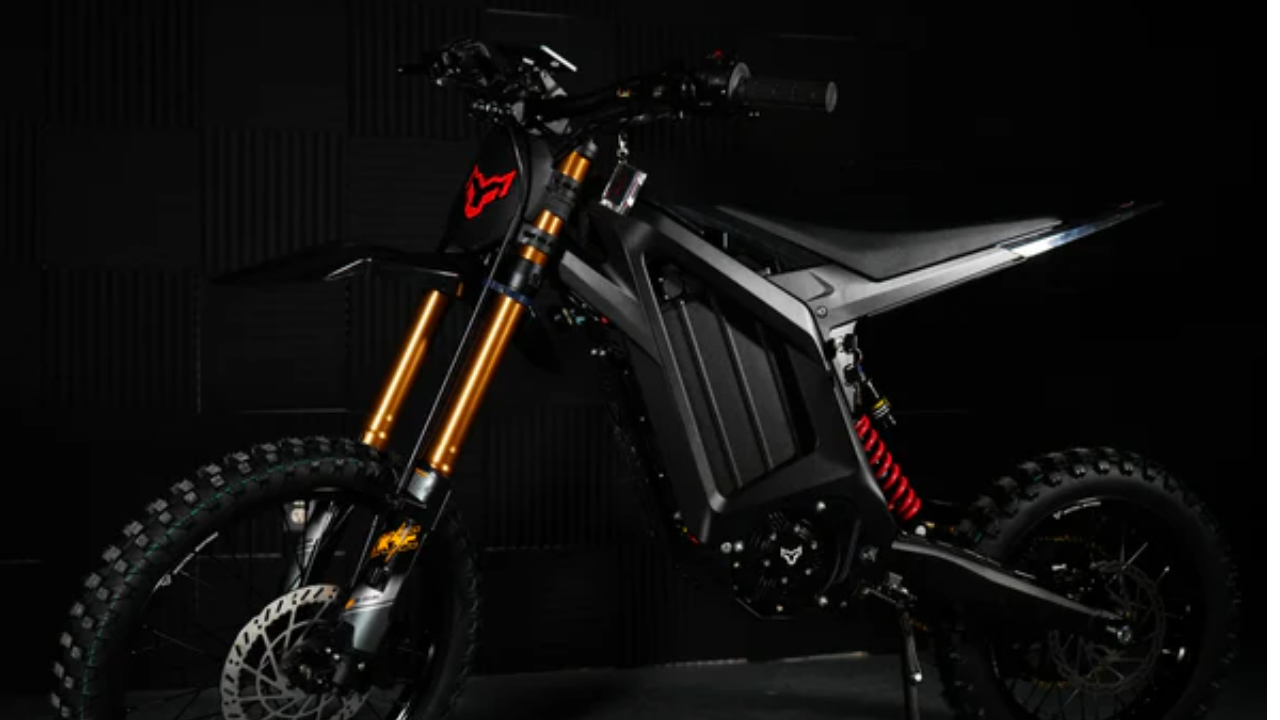
Buying an electric dirt bike under $5,000 sounds straightforward until you start researching. The specs sheets all look impressive, the marketing photos all look incredible, and suddenly you’re two hours deep into YouTube trying to figure out which one actually holds up after 300 miles of real use.
We went through five of the most talked-about e-motos in this price range: the E Ride Pro SS 3.0, the E Ride Pro S, the Strike Shadow SV2, the Arctic Leopard XF, and the RFN Ares Rally Pro, and put together a picture of what each one is actually like to own, not just to unbox.
Here is what caught us off guard.
UPDATE: Use RIDESTER as your exclusive discount code while buying from REV Rides.If you are interested in budget electric dirt bikes, we have an entire article about that.
1. E Ride Pro SS 3.0: The One That Changed the Benchmark
Price: ~$4,999 | Motor: 16kW peak | Battery: 72V 50Ah (3,600Wh) | Top Speed: 62mph | Range: 64+ miles at 25mph | Weight: 167 lbs
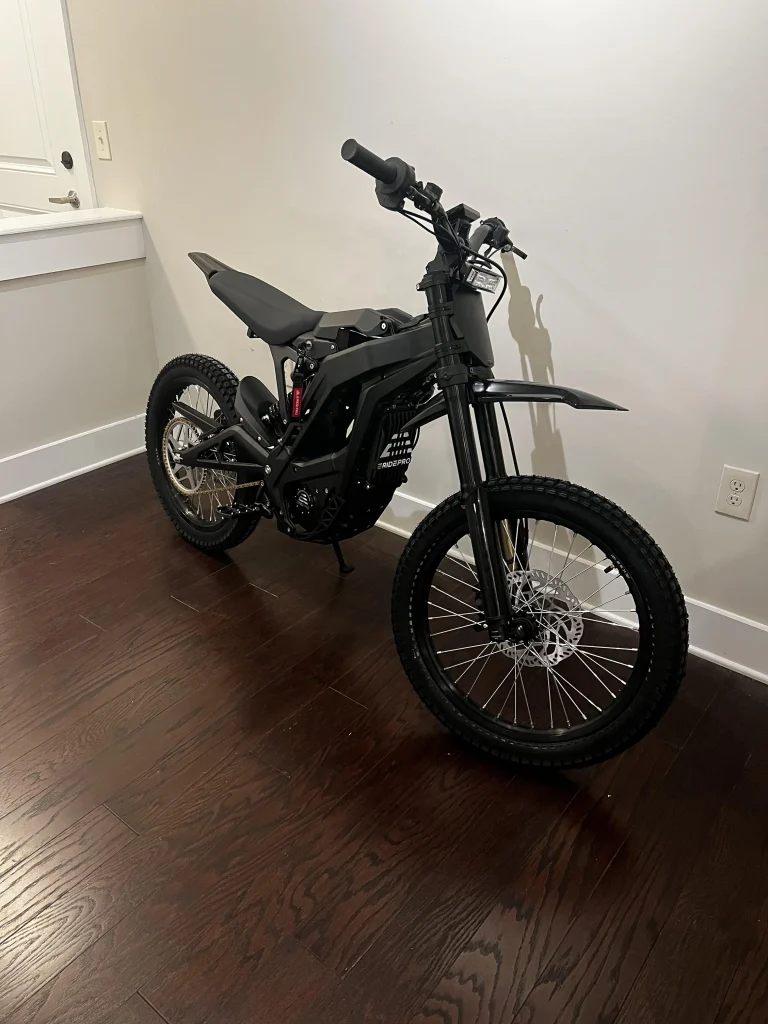
If there is one bike that rewrote what riders expect from a sub-$5,000 e-moto, it is the E Ride Pro SS 3.0. Its predecessor, the SS 2.0, already had a strong reputation. The 3.0 takes that reputation and pushes further than most riders expected a single upgrade cycle to go.
The biggest headline is the battery. Going from a 40Ah pack to a 50Ah pack (3,600Wh) means you are getting over 64 miles of real riding range at 25mph, and more than 100 miles if you keep things calm at 15mph. For a dirt bike that costs under five thousand dollars, that range is genuinely hard to believe until you ride it.
But the upgrade that generates the most conversation from actual owners is not the battery or the 16kW of peak power. It is the reverse gear. Replacing the old SS 2.0’s turbo button with a reverse function sounds minor on paper, but riders who have navigated tight trails or awkward parking situations will tell you it changes the day-to-day experience in ways that matter.
The Bluetooth app integration is another practical win. Being able to adjust motor output and regenerative braking from your phone, without needing to dig into any hardware, makes the SS 3.0 feel more like a modern vehicle and less like a powerful machine you have to accept as-is.
Specs at a glance:
| Spec | Detail |
|---|---|
| Motor | 16kW peak, brushless air-cooled |
| Battery | 72V 50Ah (3,600Wh), swappable |
| Top Speed | 62mph (off-road) |
| Range | 64+ miles @ 25mph |
| Charge Time | 3.5 hours (20% to 90%) |
| Suspension | FASTACE adjustable |
| Brakes | DOT4 hydraulic, 220mm rotors, 3mm thickness |
| Weight | 167 lbs |
| Weight Limit | 302 lbs |
| Tires | 2.75-19 front / 3.0-18 rear |
What surprised us: The braking upgrade. The SS 3.0 comes with 3mm rotors and 100mm DOT brake calipers, which sounds like a technical footnote until you are coming down a loose rocky descent at speed. Riders consistently flag this as one of the most noticeable real-world improvements over the 2.0.
Best for: Riders who want the most performance in this price range and plan to ride hard and often. The SS 3.0 rewards experienced riders and has enough refinement to earn long-term loyalty.
2. E Ride Pro S: The Surprise Package for Smaller Riders
Price: ~$2,499–$2,999 | Motor: 8kW peak | Battery: 72V 30Ah | Top Speed: 50mph | Range: 40–60 miles | Weight: Around 120 lbs
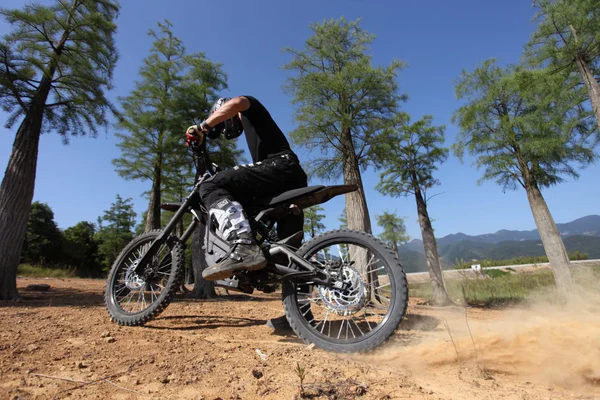
The E Ride Pro S does not try to compete with the SS 3.0 on numbers. It was never designed to. What it does instead is take the same platform philosophy: closed-cartridge suspension, a quality BMS system, and a 72V electrical system, and scale it into a package that is easier to live with for a wider group of riders.
The S comes in two wheel configurations. The 17-inch version (the S 17″) rides more like a traditional motocross bike, with nimble handling and a taller, more upright feel. The 16-inch Fat Tire edition leans into stability, with wider rubber that gives you more planted traction on loose or slippery terrain.
Both versions top out around 50mph off-road and carry a 72V 30Ah battery capable of 40 to 60 miles per charge depending on how you ride. That is a meaningful real-world range for trail sessions.
The thing that surprises people most about the S is how it feels relative to its size. Riders coming from cheap, underpowered youth bikes are often caught off guard by how genuinely capable it is. At 8kW of peak power, it is not a toy. It is a real e-moto that happens to suit shorter riders, teenagers, and anyone who wants something lighter and easier to manage than the SS platform.
Specs at a glance (S 17″):
| Spec | Detail |
|---|---|
| Motor | 8kW peak |
| Battery | 72V 30Ah |
| Top Speed | 50mph (off-road) |
| Range | 40–60 miles |
| Suspension | Closed-cartridge |
| Tires | 70/100-17 front and rear |
| Seat Height | Lower than SS platform |
What surprised us: The 72V platform. Most bikes at this size and price use 48V or 60V systems. The fact that E Ride Pro runs 72V across their entire S lineup means the electrical architecture is consistent with their larger bikes, which has real implications for longevity and upgrade potential.
Best for: Experienced riders under 5’8″, teenagers ready for a serious step up, and anyone who wants a lighter, more manageable bike without giving up the quality of the E Ride Pro platform.
3. Strike Shadow SV2: The Compact That Hits Harder Than It Looks
Price: ~$2,899 | Motor: 7kW peak (7,000W) | Battery: 72V 25Ah (1,800Wh) | Top Speed: 48–51mph | Weight Capacity: 280 lbs
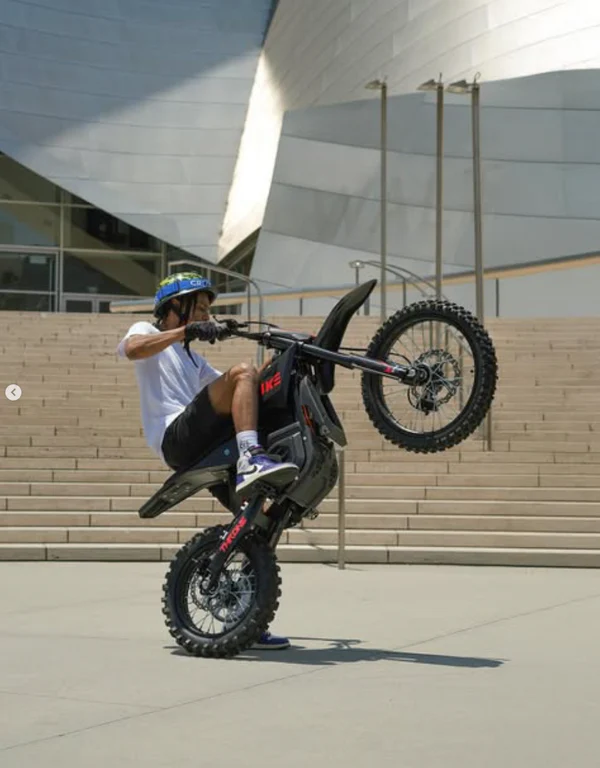
The Strike Shadow SV2 by Throne Cycles is the bike that most often causes people to do a double take on a trail. It looks like a mid-sized pit bike. It rides like something with a lot more bite.
This is the top tier of the Shadow platform, and the jump from the SX to the SV2 is substantial. Throne upgraded the system from 60V to 72V, pushed peak motor output to 7,000W, and installed FastAce suspension front and rear. Those three changes together make the SV2 feel genuinely different from its siblings: more planted at speed, more authoritative on the throttle, and more capable in rough terrain.
The 17-inch front and 14-inch rear wheel setup keeps the bike compact and agile without making it feel unstable. Ground clearance sits at 11 inches, which is respectable for a bike this size, and the 72V 100A controller gives you immediate throttle response that feels sharp rather than gradual.
At $2,899, the SV2 sits in an interesting spot. It is not trying to be a full-size e-moto. It is a high-voltage, high-capability compact bike that makes sense for riders who want real performance in a lighter, more nimble format. Owners consistently describe the throttle response as “explosive,” which sounds like marketing language until you experience it for the first time.
Specs at a glance:
| Spec | Detail |
|---|---|
| Motor | 7,000W peak |
| Battery | 72V 25Ah (1,800Wh) |
| Top Speed | 48–51mph |
| Controller | 72V 100A |
| Suspension | FastAce front and rear |
| Front Tire | 70/100-17″ |
| Rear Tire | 90/100-14″ |
| Ground Clearance | 11 inches |
| Weight Capacity | 280 lbs |
| Colors | Black, Red, White |
What surprised us: The suspension quality for the price. FastAce components on both ends at under $3,000 is not common. The SV2’s suspension genuinely distinguishes it from other bikes in this price range, and it shows when you start hitting bumps at pace.
Best for: Riders who want 72V performance in a compact, lighter format. The SV2 works well for trail riding, kart tracks, and anyone who prefers a more agile platform over the heft of a full-size e-moto.
4. Arctic Leopard XF: The Lightweight That Rides Like a Real Dirt Bike
Price: ~$3,699 | Motor: 12kW direct drive | Battery: 72V 35Ah | Top Speed: Up to 60mph | Weight: 127 lbs | Wheelbase: 47 inches
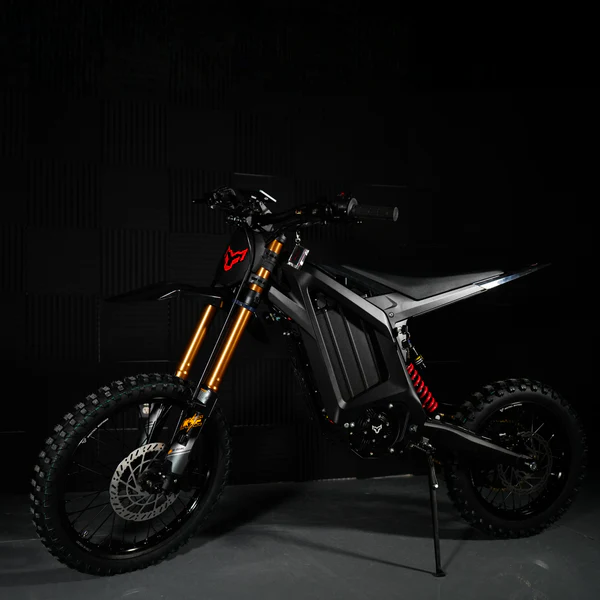
Most electric dirt bikes in this price range use a belt drive or jackshaft system. The Arctic Leopard XF uses a direct-drive motor, and that single design choice makes a noticeable difference in how the bike behaves.
Direct drive means fewer moving parts between the motor and the wheel. The result is smoother, more consistent power delivery without the maintenance complexity that comes with belt-based systems. Arctic Leopard builds this into a 12kW motor paired with a 72V 35Ah battery; solid numbers for a bike that weighs just 127 pounds.
That weight figure is what stops most people mid-sentence when they hear it. At 127 lbs, the XF weighs meaningfully less than the SS 3.0 (167 lbs) or the RFN Ares Rally Pro. On tight singletrack, in kart track conditions, or anywhere you are changing direction frequently, that difference in weight is not abstract. You feel it.
The XF is derived from Arctic Leopard’s larger XE Pro S platform rather than being a ground-up design, which means it inherits a validated chassis geometry and real suspension tuning rather than starting from scratch. KKE suspension components, hydraulic disc brakes front and rear, and a large TFT display with NFC or password unlock round out a package that feels more considered than you might expect at this price.
The 17-inch front and 14-inch rear wheel setup gives the XF better rollover capability and stability than smaller pit bike configurations, and the 33.25-inch seat height makes it accessible for a wide range of rider heights.
Specs at a glance:
| Spec | Detail |
|---|---|
| Motor | 12kW direct drive |
| Battery | 72V 35Ah |
| Top Speed | Up to 60mph |
| Weight | 127 lbs |
| Wheelbase | 47 inches (1,194mm) |
| Seat Height | 33.25 inches (845mm) |
| Wheels | 17″ front / 14″ rear |
| Suspension | KKE adjustable |
| Brakes | Hydraulic disc front and rear |
| Torque | 342 Nm peak |
What surprised us: The torque figure. 342 Nm from a 127-pound bike is a genuinely striking combination. Riders who are used to heavier e-motos often describe the XF as feeling sharper and more reactive than they expected, precisely because the weight-to-torque ratio is so favorable.
Best for: Riders who prioritize low weight and agile handling, those coming from a motocross background who want a familiar direct-drive feel, and anyone who wants strong performance in a compact, lighter package.
5. RFN Ares Rally Pro: The One Built Like a Race Bike
Price: ~$3,500–$4,200 (varies by configuration) | Motor: 12.5kW peak | Battery: 74V 35Ah (2,590Wh) or 43Ah (3,182Wh) | Top Speed: 46mph | Range: Up to 100 miles (city) | Weight: 74kg (163 lbs) dry
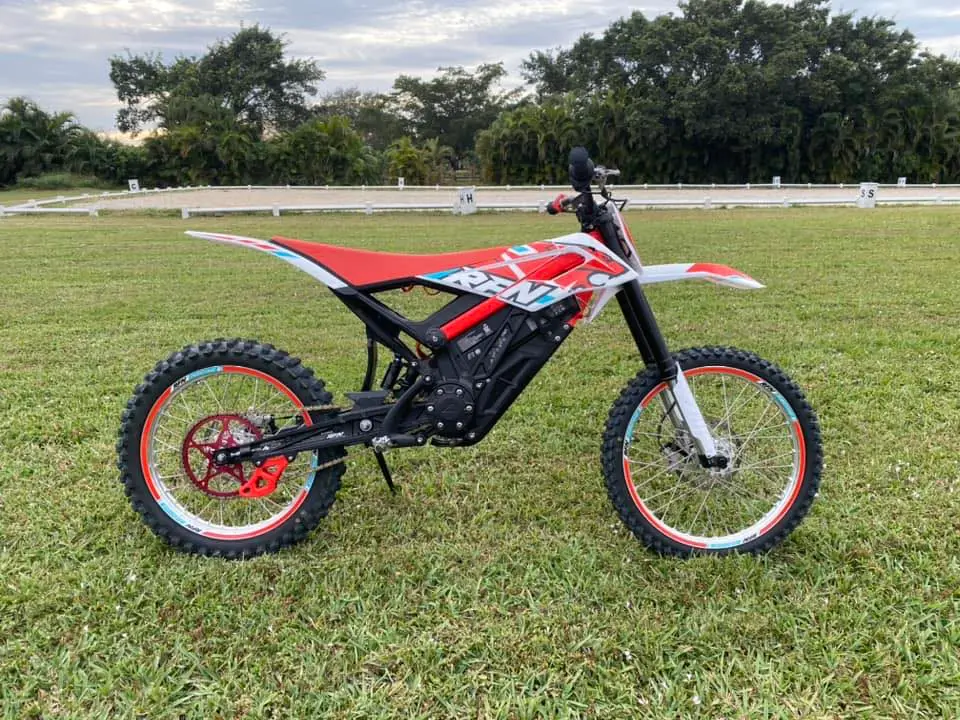
The Apollo RFN Ares Rally Pro is the outlier in this group. Every other bike here was designed first and foremost as an off-road machine. The Ares Rally Pro was designed to win a German Design Award, and it shows.
The frame is built from 6082 aluminum: extruded, forged, and CNC machined, with a weight distribution engineered at 50:50 front to rear. The suspension uses upside-down air forks with 45mm to 48mm stanchions, 200mm of travel, and double shoulder adjustable damping. The rear shock offers 240mm of compression, rebound, and spring preload adjustment. These are not entry-level components dressed up with marketing language. They are genuinely professional-grade.
The drivetrain uses an air-cooled permanent magnet synchronous motor with sinewave control; a type of motor controller that delivers smoother, more efficient power delivery than the square-wave alternatives common at this price point. The result is a powertrain that feels refined rather than just fast.
Four ride modes give you a lot of flexibility. Tortoise mode caps you at 15mph with up to 3.5 hours of battery life, useful for long trail exploration. Rabbit mode is the everyday trail riding mode. Rocket mode unlocks maximum torque and top speed for track use. And a Reverse mode, limited to 5.6mph, is there when you need it.
The RFN’s top speed of 46mph is lower than that of some bikes in this comparison. But the Ares Rally Pro was never primarily a speed bike. It is a range and endurance machine; the 43Ah version claims up to 100 miles of city range and comfortable multi-hour ride sessions at trail pace.
Specs at a glance:
| Spec | Detail |
|---|---|
| Motor | 12.5kW peak, sinewave PMSM |
| Battery | 74V 35Ah (2,590Wh) or 43Ah (3,182Wh) |
| Top Speed | 46mph |
| Range | Up to 100 miles (city mode) |
| Front Suspension | USD air forks, 200mm travel, fully adjustable |
| Rear Suspension | 240mm shock, compression/rebound/preload adjustable |
| Wheels | F19″ / R18″ motorcycle spec, 7116 aluminum |
| Tires | Kenda K783 off-road |
| Frame | 6082 aluminum, CNC machined |
| Weight | 163 lbs (74kg) dry |
| Modes | Tortoise, Rabbit, Rocket, Reverse |
| Award | 2023 German Design Award winner |
What surprised us: The suspension depth. You can walk up to any other bike in this comparison and adjust basic settings. The Ares Rally Pro gives you the kind of tuning range you would expect on a bike costing twice as much. Riders who have owned higher-end motocross bikes will find themselves at home here.
Best for: Riders who prioritise ride quality and long-range capability over outright speed. The Ares Rally Pro suits technical trail riders, endurance-focused riders, and anyone who appreciates the kind of engineering refinement that usually costs significantly more.
How They Compare Side by Side
| Bike | Price | Peak Power | Battery | Top Speed | Weight |
|---|---|---|---|---|---|
| E Ride Pro SS 3.0 | ~$4,999 | 16kW | 72V 50Ah | 62mph | 167 lbs |
| E Ride Pro S (17″) | ~$2,499 | 8kW | 72V 30Ah | 50mph | 120 lbs |
| Strike Shadow SV2 | ~$2,899 | 7kW | 72V 25Ah | 48–51mph | 140 lbs |
| Arctic Leopard XF | ~$3,699 | 12kW | 72V 35Ah | 60mph | 127 lbs |
| RFN Ares Rally Pro | ~$3,500+ | 12.5kW | 74V 35–43Ah | 46mph | 163 lbs |
So Which One Should You Buy?
There is no single right answer here, which is honestly the most useful thing we can tell you.
If you want the most performance for your money and plan to ride hard, the E Ride Pro SS 3.0 is difficult to argue against at $4,999. The battery range alone justifies the price for serious riders.
If you are a shorter rider, a teenager, or someone who wants a lighter, more manageable bike that still has real power, the E Ride Pro S makes a lot of sense, and the 72V platform gives it better long-term value than bikes at a similar size that use lower voltage systems.
If you want compact 72V performance without the weight of a full-size e-moto, the Strike Shadow SV2 hits differently than its size suggests, and the FastAce suspension is a genuine differentiator at that price.
If light weight and direct-drive simplicity matter to you, the Arctic Leopard XF at 127 lbs is in a category of its own in this group. The torque-to-weight ratio makes it feel fast in a way that raw peak power numbers don’t fully capture.
If ride quality and range are your priorities over top speed, the RFN Ares Rally Pro rewards technical riders who appreciate professional-grade suspension and a refined powertrain. It is the bike that keeps impressing you the longer you own it.
The electric dirt bike market has changed faster in the last two years than in the decade before. Any of these five bikes would have looked remarkable in 2022. Today, they represent the new normal for what under $5,000 can buy, and that is a genuinely exciting place to be as a rider.